A single medium guava contains:
|
Nutrient
|
Amount (Approx.)
|
% Daily Value*
|
Key Role
|
|---|---|---|---|
|
Vitamin C
|
~200 mg
|
>200%
|
Immune support, collagen synthesis, antioxidant protection
|
|
Dietary Fiber
|
~3 g
|
12%
|
Digestive health, blood sugar regulation, satiety
|
|
Potassium
|
~230 mg
|
5%
|
Blood pressure regulation, nerve function
|
|
**Folate **(B9)
|
~40 mcg
|
10%
|
Cell division, DNA synthesis, red blood cell formation
|
|
Lycopene
|
Variable
|
—
|
Antioxidant; protects cells from oxidative stress
|
|
Quercetin
|
Variable
|
—
|
Anti-inflammatory, antioxidant flavonoid
|
*Based on a 2,000-calorie diet for adults. Individual needs vary.
🔬 Research note: Guava contains significantly more Vitamin C than oranges—often 4–5 times more per serving. This makes it one of the richest natural sources of this essential vitamin.
🩺 Potential Health Benefits: What Research Actually Shows
Below are areas where guava may play a supportive role in wellness. We’ll note the strength of evidence for each.
1. Supports Healthy Blood Sugar Levels ⚠️ Emerging Evidence
|
What the Research Shows
|
Why It Matters
|
Evidence Level
|
|---|---|---|
|
High fiber content slows carbohydrate digestion
|
Helps prevent rapid spikes in blood glucose after meals
|
✅ Strong for fiber mechanism; ⚠️ Emerging for guava-specific outcomes
|
|
Some studies suggest guava leaf extract may improve insulin sensitivity
|
May support glucose metabolism when combined with a healthy lifestyle
|
⚠️ Preclinical and small human trials; promising but not definitive
|
|
Low glycemic index (GI)
|
Causes slower, more stable rise in blood sugar compared to high-GI fruits
|
✅ Strong for GI profile
|
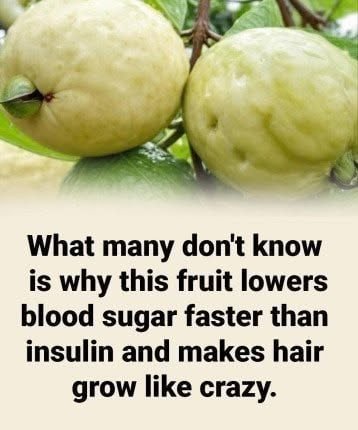
💡 Critical nuance: Guava is not a replacement for insulin or diabetes medication. It does not lower blood sugar faster than medical treatments. People with diabetes should always follow their healthcare provider’s advice. Guava offers nutritional support as part of an overall healthy eating plan.
✨ In Practice: Pair guava with protein or healthy fat (like nuts or yogurt) to further stabilize blood sugar. Eat the skin for maximum fiber.
2. Promotes Healthy Hair and Skin ⚠️ Emerging Evidence
|
What the Research Shows
|
Why It Matters
|
Evidence Level
|
|---|---|---|
|
Exceptional Vitamin C content supports collagen production
|
Collagen is essential for skin elasticity and hair structure
|
✅ Strong for Vitamin C’s role in collagen synthesis
|
|
Antioxidants (lycopene, quercetin) protect against oxidative stress
|
Oxidative damage can contribute to aging skin and hair weakening
|
✅ Strong for antioxidant mechanism; ⚠️ Emerging for topical/dietary effects on hair
|
|
Hydration and nutrient density support overall tissue health
|
Healthy cells require adequate hydration and micronutrients
|
✅ General principle
|
💡 Key insight: No fruit can make hair "grow like crazy." However, regularly consuming nutrient-rich foods like guava can help support overall hair and skin wellness by providing the building blocks your body needs.
✨ In Practice: Enjoy guava as part of a varied diet rich in proteins, healthy fats, and other colorful fruits/vegetables for comprehensive skin/hair support.
3. Boosts Immune Function ✅ Strong Evidence
|
What the Research Shows
|
Why It Matters
|
Evidence Level
|
|---|---|---|
|
Extremely high Vitamin C content
|
Vitamin C is crucial for white blood cell function and immune defense
|
✅ Strong: Well-established in nutrition science
|
|
Antioxidants reduce inflammation
|
Chronic inflammation can weaken immune resilience over time
|
✅ Strong for antioxidant role
|
|
Supports barrier integrity (skin/mucous membranes)
|
First line of defense against pathogens
|
✅ Strong for Vitamin C’s role
|
✨ In Practice: Include guava regularly during cold/flu season. One guava provides more than double the daily recommended Vitamin C for most adults.
4. Supports Heart Health ⚠️ Emerging Evidence
|
What the Research Shows
|
Why It Matters
|
Evidence Level
|
|---|---|---|
|
Potassium helps regulate blood pressure
|
Balances sodium effects; supports cardiovascular health
|
✅ Strong for potassium’s role
|
|
Fiber may help lower LDL ("bad") cholesterol
|
Supports long-term heart health
|
✅ Strong for fiber benefits
|
|
Antioxidants reduce oxidative stress in blood vessels
|
May protect against arterial damage
|
✅ Strong for mechanism; ⚠️ Emerging for guava-specific outcomes
|
✨ In Practice: Enjoy guava as part of a heart-healthy dietary pattern (like the Mediterranean diet), alongside vegetables, whole grains, lean protein, and healthy fats.
5. Promotes Digestive Health ✅ Strong Evidence
|
What the Research Shows
|
Why It Matters
|
Evidence Level
|
|---|---|---|
|
High fiber content supports regularity
|
Prevents constipation; promotes healthy bowel movements
|
✅ Strong for fiber benefits
|
|
Prebiotic potential
|
Feeds beneficial gut bacteria
|
⚠️ Emerging evidence
|
|
Traditional use of guava leaves for diarrhea
|
Tannins in leaves may have antimicrobial/astringent effects
|
⚠️ Traditional use; limited modern clinical trials
|
✨ In Practice: Eat the whole fruit (skin included) for maximum fiber. Stay hydrated to help fiber work effectively.
🥗 How to Enjoy Guava: Simple & Delicious Ideas
Guava is versatile and easy to include in your diet. Here are some simple ways to enjoy it.
Preparation Tips
|
Tip
|
Why It Matters
|
|---|---|
|
Eat the skin
|
Most fiber and antioxidants are concentrated in or near the skin
|
|
Wash thoroughly
|
Removes dirt and potential pesticide residue
|
|
Remove seeds if preferred
|
Seeds are edible but hard; some people prefer to scoop them out
|
|
Choose ripe fruit
|
Ripe guavas yield slightly to gentle pressure and have a fragrant aroma
|
Serving Suggestions
|
Idea
|
How-To
|
Wellness Angle
|
|---|---|---|
|
Fresh Snack
|
Slice and eat raw; sprinkle with chili powder or lime for zest
|
Maximum nutrient retention; hydrating
|
|
Smoothie Booster
|
Blend with banana, spinach, and almond milk
|
Adds Vitamin C and fiber; masks strong flavor if needed
|
|
Fruit Salad
|
Combine with mango, pineapple, and mint
|
Diverse phytochemicals; refreshing
|
|
Homemade Juice
|
Blend with water; strain if desired; avoid added sugar
|
Hydrating; easy to digest
|
|
Yogurt/Oatmeal Topping
|
Dice and stir into breakfast bowls
|
Adds sweetness and texture without refined sugar
|
|
Guava Leaf Tea
|
Steep dried leaves in hot water (traditional remedy)
|
Potential digestive support; consult provider before medicinal use
|
💡 Pro tip: If guava’s strong aroma is overwhelming, pair it with citrus or mint to balance the flavor.
⚠️ Safety & Considerations: Enjoying Guava Wisely
Guava is safe and nutritious for most people. But a few considerations help you enjoy it mindfully.
Generally Safe For
✅ Most adults and children
✅ People with diabetes (when portioned mindfully as part of a balanced meal)
✅ Those seeking nutrient-dense, plant-forward foods
✅ People with diabetes (when portioned mindfully as part of a balanced meal)
✅ Those seeking nutrient-dense, plant-forward foods
Use Caution or Consult a Provider If...
⚠️ Kidney disease: Guava contains potassium; those with advanced kidney disease may need to limit intake
⚠️ Blood thinners: Guava contains Vitamin K; maintain consistent intake if on warfarin
⚠️ Digestive sensitivity: High fiber may cause bloating in some; start with small portions
⚠️ Allergies: Rare, but possible. Discontinue if you experience itching, swelling, or digestive upset
⚠️ Blood thinners: Guava contains Vitamin K; maintain consistent intake if on warfarin
⚠️ Digestive sensitivity: High fiber may cause bloating in some; start with small portions
⚠️ Allergies: Rare, but possible. Discontinue if you experience itching, swelling, or digestive upset
Preparation Tips for Maximum Benefit
|
Tip
|
Why It Matters
|
|---|---|
|
Keep the skin on
|
Most fiber and many antioxidants are concentrated in or near the skin
|
|
Don’t overprocess
|
Blending/juicing removes fiber; eating whole fruit is best for blood sugar control
|
|
Pair with healthy fat
|
Enhances absorption of fat-soluble nutrients like lycopene
|
|
Vary your fruits
|
Rotate guava with other colorful fruits for diverse phytochemicals
|
💡 Pro tip: Wash guavas thoroughly before eating—scrub the skin well if you plan to eat it.
❓ FAQs: Your Questions, Answered
Q: Is guava better than oranges for Vitamin C?
A: Yes, typically. One guava often contains 4–5 times more Vitamin C than one orange. Both are excellent sources, but guava is exceptionally rich.
A: Yes, typically. One guava often contains 4–5 times more Vitamin C than one orange. Both are excellent sources, but guava is exceptionally rich.
Q: Can guava cure diabetes?
A: No. Guava can support blood sugar management as part of a healthy diet due to its fiber and low GI, but it is not a cure or replacement for medication. Always follow your doctor’s advice.
A: No. Guava can support blood sugar management as part of a healthy diet due to its fiber and low GI, but it is not a cure or replacement for medication. Always follow your doctor’s advice.
Q: Are guava seeds safe to eat?
A: Yes, they are edible and contain nutrients. However, they are hard and may be difficult to chew. Some people prefer to scoop them out.
A: Yes, they are edible and contain nutrients. However, they are hard and may be difficult to chew. Some people prefer to scoop them out.
Q: Does guava help with weight loss?
A: It can support weight management due to its low calorie density, high fiber, and water content, which promote satiety. But portion control and overall diet matter most.
A: It can support weight management due to its low calorie density, high fiber, and water content, which promote satiety. But portion control and overall diet matter most.
Q: Can I eat guava every day?
A: Yes, for most people. It’s a nutritious addition to a varied diet. If you have kidney concerns or are on blood thinners, discuss frequency with your provider.
A: Yes, for most people. It’s a nutritious addition to a varied diet. If you have kidney concerns or are on blood thinners, discuss frequency with your provider.
Q: What’s the difference between pink and white guava?
A: Pink guava tends to have higher lycopene content (antioxidant) and a stronger aroma. White guava is often sweeter and milder. Both are nutritious.
A: Pink guava tends to have higher lycopene content (antioxidant) and a stronger aroma. White guava is often sweeter and milder. Both are nutritious.
Q: Can guava cause gas or bloating?
A: The fiber can cause gas in some people, especially when increasing intake suddenly. Start with small portions and drink plenty of water.
A: The fiber can cause gas in some people, especially when increasing intake suddenly. Start with small portions and drink plenty of water.
Q: Is guava juice as healthy as fresh fruit?
A: Fresh fruit is better because it retains fiber. Juice often lacks fiber and may have added sugar. If juicing, keep the pulp and avoid adding sugar.
A: Fresh fruit is better because it retains fiber. Juice often lacks fiber and may have added sugar. If juicing, keep the pulp and avoid adding sugar.
Q: Can guava help with acne?
A: Vitamin C and antioxidants support skin health, which may indirectly benefit acne-prone skin. However, it’s not a direct treatment. Consistent skincare and diet matter more.
A: Vitamin C and antioxidants support skin health, which may indirectly benefit acne-prone skin. However, it’s not a direct treatment. Consistent skincare and diet matter more.
Q: How do I store guava?
A: Store unripe guavas at room temperature until they yield to gentle pressure. Once ripe, refrigerate for up to 2 days. Cut guava should be stored in an airtight container in the fridge.
A: Store unripe guavas at room temperature until they yield to gentle pressure. Once ripe, refrigerate for up to 2 days. Cut guava should be stored in an airtight container in the fridge.
📋 Quick-Reference Action Plan
This Week: Explore Guava
- Buy one ripe guava to try fresh
- Experiment with eating the skin vs. scooping out seeds
- Add guava to one smoothie or fruit salad
- Notice how you feel: energy, digestion, satisfaction
This Month: Build Sustainable Habits
- Include guava in your weekly fruit rotation
- Pair with protein/fat for balanced snacks
- Learn one new recipe (juice, dessert, or savory dish)
- Share guava with a friend or family member
Ongoing: Enjoy Mindfully
- Rotate guava with other colorful fruits for diverse nutrients
- Adjust portions based on your health goals and hunger cues
- Consult your provider if you have kidney disease, are on blood thinners, or have specific health concerns
- Remember: Progress, not perfection. One nutrient-dense bite at a time.
💡 Remember: Guava is a tool, not a rule. Use it to nourish—not to restrict or obsess.
🌱 A Compassionate Mindset: Nourishment Without Pressure
It’s easy to turn "superfood" talk into another source of pressure. Please hold this truth gently:
You don’t have to eat guava to be healthy.
It’s one of many nutrient-dense foods that can support wellness. If you love it, wonderful. If you don’t, that’s okay too. If you’re curious, enjoy exploring.
What matters isn’t any single food. It’s the overall pattern of how you eat, move, rest, and care for yourself.
So if you choose to slice a guava today, do it with joy—not obligation. And if you choose something else, that’s valid too.
💙 Affirmation: "I nourish my body with curiosity, not criticism. Every meal is an opportunity to care for myself—with kindness."
💬 Final Thought: The Quiet Power of Humble Foods
Guava doesn’t shout. It doesn’t trend on social media or promise overnight transformations. It simply nourishes.
And sometimes, that’s the most powerful thing a food can do.
So the next time you hold a guava in your hands—fragrant, vibrant, unassuming—remember:
You’re holding more than a fruit. You’re holding centuries of cultivation, resilience, and wisdom. You’re holding a food that has sustained communities through heat, drought, and celebration alike.
And you’re holding an invitation: to nourish yourself with intention, with gratitude, with grace.
"The most transformative meals aren’t about perfection. They’re about presence."
How do you enjoy guava? Fresh, in smoothies, or something else entirely? Share your favorite way below—we’re all learning to nourish ourselves, together. 🍈