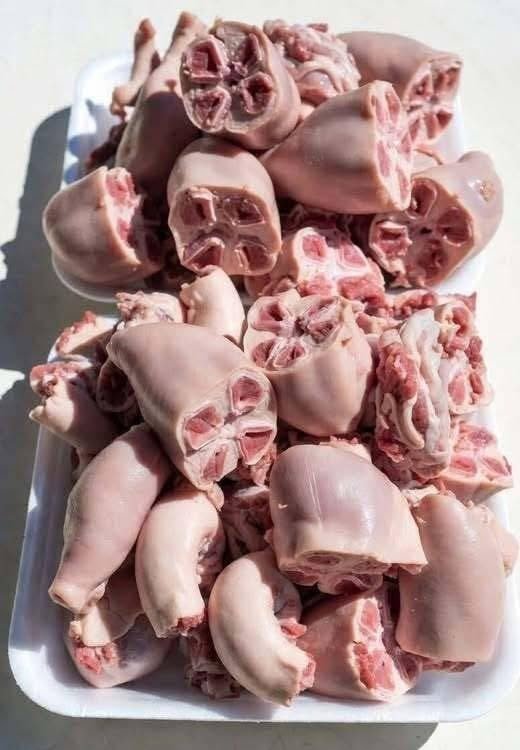
Scrolling through social media, it's easy to come across alarming claims about the food industry. One viral post warns that supermarkets are secretly mixing low-grade imported meat into premium packages. Another claims customers are being "tricked" into buying meat that isn't what the label says.
For many shoppers already worried about rising grocery prices, food safety, and supply-chain transparency, these stories can feel deeply unsettling. After all, people want to trust that the meat they buy for their families is accurately labeled, safely handled, and worth the price they pay.
But how much of these viral claims is actually supported by evidence? And how can consumers separate real food safety concerns from sensational internet rumors designed to spark outrage and clicks?
This article takes a balanced, fact-based look at supermarket meat quality concerns, food labeling regulations, and what shoppers should realistically know before assuming widespread fraud.
🔍 Why This Topic Gets So Much Attention
Several factors converge to make meat quality claims especially viral—and emotionally charged:
|
Factor
|
Why It Matters
|
||||||||||||||||||||||||||||||||||||||||||||||
|---|---|---|---|---|---|---|---|---|---|---|---|---|---|---|---|---|---|---|---|---|---|---|---|---|---|---|---|---|---|---|---|---|---|---|---|---|---|---|---|---|---|---|---|---|---|---|---|
|
Rising grocery prices
|
When budgets are tight, consumers feel more vulnerable to being "ripped off."
|
||||||||||||||||||||||||||||||||||||||||||||||
|
Social media algorithms
|
Fear-based, sensational content gets more engagement—and more visibility.
|
||||||||||||||||||||||||||||||||||||||||||||||
|
Deep care about food safety
|
Meat is a staple; concerns about it feel pers
🥩 Are Supermarkets Secretly Selling "Fake" Meat?The viral claim often suggests supermarkets are intentionally misleading customers by:
Here's the critical question: Where's the evidence?
Most viral posts lack: ❌ Verified investigations from credible sources
❌ Named companies with documented violations ❌ Regulatory findings or enforcement actions ❌ Official recall notices ❌ Confirmed inspection reports
That doesn't mean concerns are invalid. It means we should seek answers from sources with accountability, not just algorithms.
🔄 How the Real Meat Supply Chain WorksModern food supply chains are extremely large and complex. Most supermarkets do not directly raise or process the meat they sell. Instead, products typically move through multiple stages:
Why Complexity MattersBecause meat passes through so many hands, occasional problems can happen:
But here's the reassuring part: This complexity also means multiple checkpoints exist to catch errors before products reach shelves.
🏛️ Who Oversees Meat Safety and Labeling in the U.S.?In the United States, meat oversight is robust and multi-layered:
🥩 USDA (U.S. Department of Agriculture)Primary role: Regulates meat, poultry, and egg products.
🧪 FDA (Food and Drug Administration)Primary role: Oversees most other foods, plus works with USDA on cross-cutting issues.
📋 State and Local Agencies
🔍 Independent Third Parties
📜 Have Meat Mislabeling Cases Happened Before?Yes—and that's precisely why oversight exists. Here are real, documented cases:
🌍 The 2013 European Horsemeat ScandalWhat happened: Beef products sold across Europe were found to contain undeclared horsemeat. Why it matters: Exposed vulnerabilities in complex, global supply chains. Outcome:
🇺🇸 U.S. Cases of Labeling Violations
Important context: These cases were:
They show the system working—not failing.
🏷️ Understanding Meat Labels: What Terms Actually MeanConfusing labels fuel suspicion. Here's a quick guide to common terms:
🛡️ How to Be a Smarter Meat Shopper: Practical TipsYou don't need to be a food scientist to make informed choices. Try these evidence-based strategies:
1. Buy from Reputable Sources
2. Read Labels Critically
3. Ask Questions
Most store managers or butchers appreciate engaged customers and will help.
4. Watch for Red Flags
5. Stay Informed Through Credible Sources
6. Report Concerns ProperlyIf you suspect mislabeling or unsafe meat:
❓ FAQs: Your Meat Questions, AnsweredQ: Can I trust "organic" meat labels?
A: Yes—if they carry the USDA Organic seal. This certification requires annual inspections and strict standards. Be cautious of products that say "organic" without the seal. Q: Is imported meat less safe than U.S. meat?
A: Not necessarily. Imported meat must meet USDA safety standards to enter the U.S. However, labeling rules for country of origin can be complex—check packaging carefully if this matters to you. Q: How do I know if ground beef has fillers?
A: USDA regulations prohibit undeclared fillers in meat products. If you suspect adulteration, report it to USDA FSIS. Independent testing (like Consumer Reports) also monitors this issue. Q: Are store-brand meats lower quality?
A: Not inherently. Store brands often source from the same processors as name brands but sell at lower prices due to reduced marketing costs. Check labels and certifications just as you would for any product. Q: What if I find a bone or gristle in my meat?
A: Small amounts of natural tissue can occur even in well-processed meat. If you find excessive or unexpected material, contact the store and consider reporting to USDA. Q: Should I avoid meat from large supermarkets?
A: No. Large chains often have rigorous quality control and traceability systems. The key is to be an informed shopper regardless of where you buy. 🌐 The Bigger Picture: Trust, Transparency, and ProgressIt's understandable to feel skeptical. Food is personal. When prices rise and information feels overwhelming, it's easy to believe the worst.
But the reality is more nuanced:
✅ Most supermarkets take labeling and safety seriously—their reputation and legal liability depend on it.
✅ Oversight systems exist and do catch problems—though no system is perfect. ✅ Consumer awareness drives improvement—your questions and choices matter. ✅ Transparency is increasing—many brands now offer QR codes, farm stories, and traceability tools. The goal isn't blind trust. It's informed confidence: knowing how the system works, where to find reliable information, and how to advocate for yourself and your family.
🧭 The Bottom LineViral claims about "fake" supermarket meat often lack evidence and amplify fear. That doesn't mean concerns about food quality are invalid—it means we should seek answers from credible sources, not algorithms.
Remember: 🔍 Occasional labeling errors happen—but they're typically caught and corrected by oversight systems.
🛡️ You have tools to shop smarter: read labels, ask questions, and rely on verified certifications. 💬 Your voice matters: Report legitimate concerns through official channels, not just social media. 🌱 Progress is possible: Consumer demand for transparency continues to drive positive change in the food industry. The next time you see a startling claim online, pause. Ask: Who is saying this? What evidence do they offer? Where can I verify this?
Then shop with curiosity, not fear. Your family deserves both safety and peace of mind.
onal and urgent. |
||||||||||||||||||||||||||||||||||||||||||||||
|
Past industry scandals
|
Historical cases (like the 2013 horsemeat scandal in Europe) fuel justified skepticism.
|
||||||||||||||||||||||||||||||||||||||||||||||
|
Complex labeling rules
|
Terms like "natural," "grass-fed," or "product of USA" can be confusing or misleading.
|
Understanding these dynamics helps us approach viral claims with curiosity rather than panic.
🥩 Are Supermarkets Secretly Selling "Fake" Meat?
Don’t Miss The Rest! Press Next Button Below To Continue Reading.